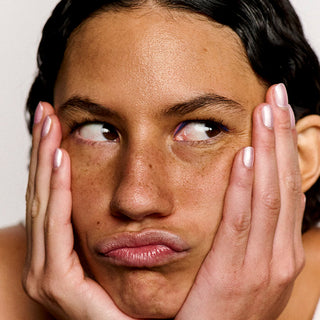
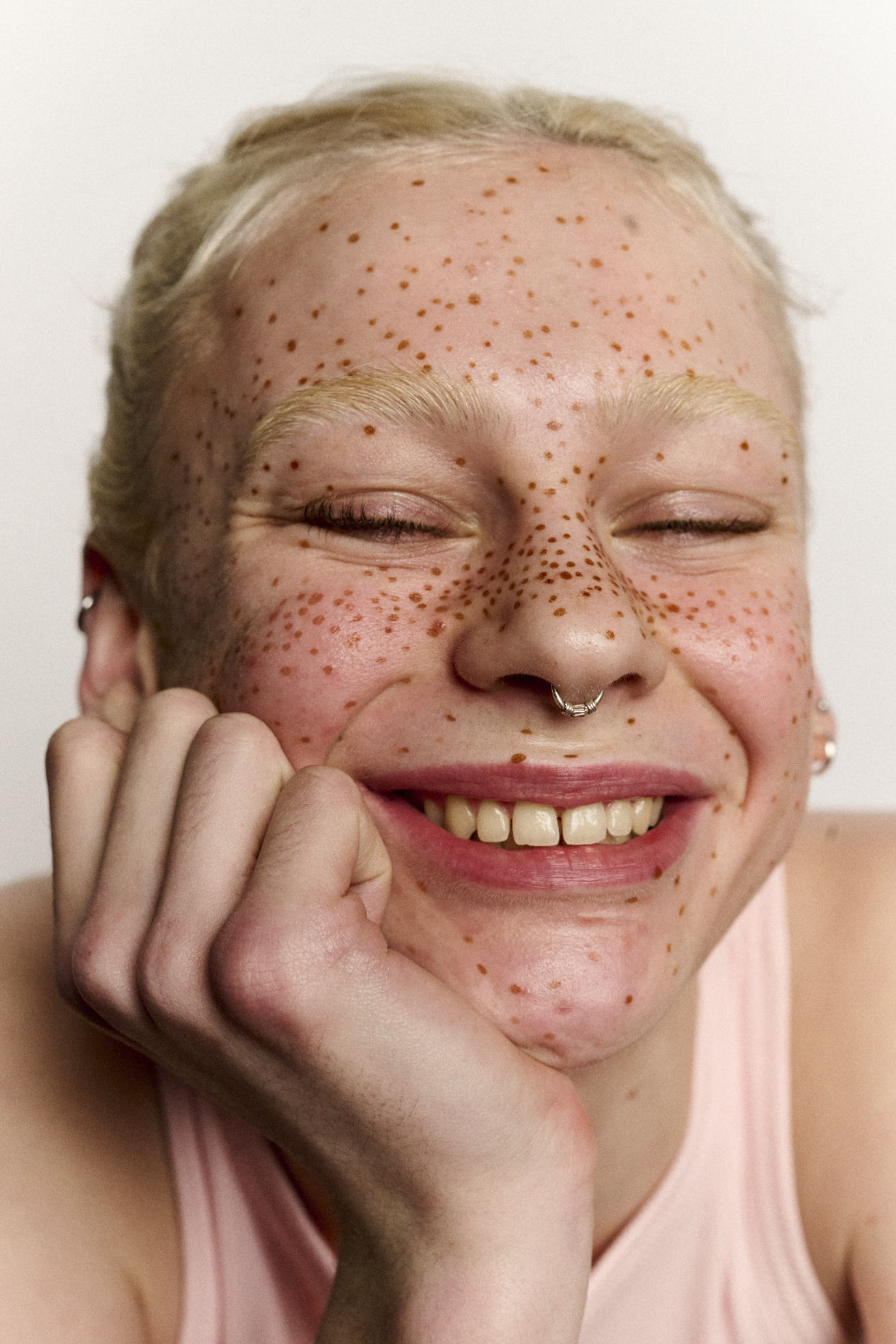
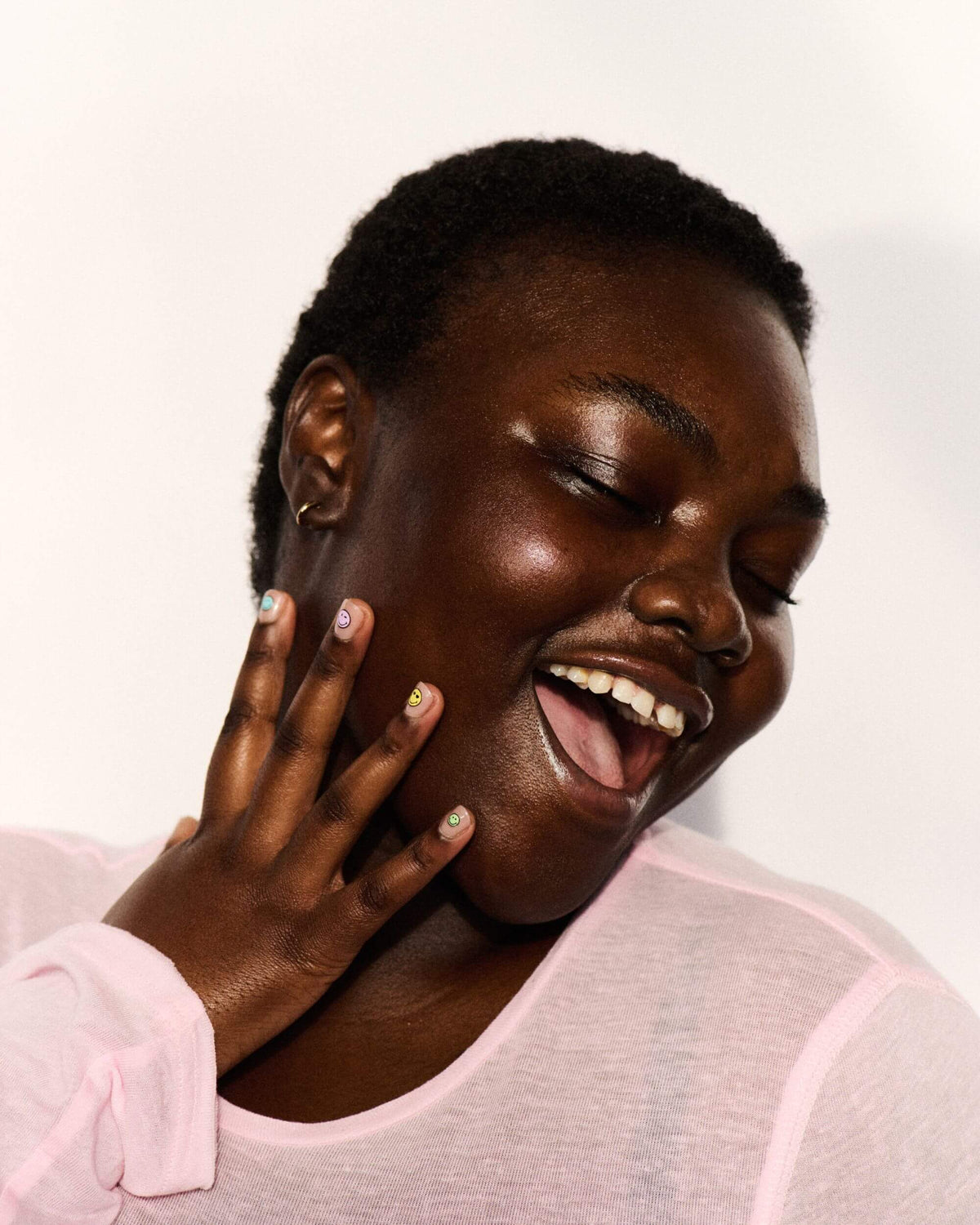
Is beauty sleep actually real? Yes. Just not the way it's sold to you.
Short answer: yes. Sleep genuinely shows up on your skin, and nothing in a bottle outranks it. Here's what's real, what's oversold, and why "just go to bed earlier" is easier said than scrolled.
Beauty sleep is real. Here's the honest version.
While you're asleep, your skin gets on with its maintenance shift: repairing, renewing, replacing cells. It's also the only part of the day your face isn't dealing with sunlight, weather, screens and your own hands. Skin professionals broadly agree on the basics: most people need around 7 to 9 hours, and skin looks and behaves better on enough sleep than it does on five hours and concealer.
Now the honest part, because "beauty sleep" has been oversold for a century. It is not a glow-up cheat code. One heroic lie-in changes nothing, because skin works in cycles of roughly a month, not overnight. And most of what's written about it is anti-ageing content aimed at people twice your age, which is a strange way to talk to anyone under 25.
For you, the real version is simpler and better: your face on consistent sleep looks like you. Your face on no sleep looks like you after losing a fight with your duvet. Sleep isn't preventing some distant future face. It's maintaining the current one.
What one bad night actually does to your face
The next-day list is familiar: a bit puffier, a bit duller, darker under the eyes, skin slightly more reactive than usual. All of it temporary. One bad night does not ruin your skin, whatever the mirror is telling you at 7am.
And about that mirror. Here's the bit the derm charts leave out: tired you judges your face more harshly. On no sleep, everything reads worse: your skin, your hair, your entire situation. The face barely changed overnight. The person assessing it did. So before you diagnose a skin crisis on four hours' sleep, log the more likely explanation first.
What actually shows on skin is the pattern. Weeks of short nights are when "my skin has been weird lately" tends to move in. Which is annoying, because it means the fix is boring and unbuyable: mostly, more sleep.
The problem was never not knowing. It's the scroll.
Nobody is short on sleep because they haven't heard sleep is good. You're short on sleep because at 1am, the day finally belongs to you. There's a name for this (revenge bedtime procrastination) and it's worth knowing, because it correctly identifies the problem as a feeling, not a discipline failure. If your day is all obligations, the night is the only bit you own, so you stay up spending it.
Willpower at midnight is a rubbish tool. What tends to work better is giving the day an actual ending: a signal that says done. Phone on charge, face washed, lights lower. Not a 12-step wind-down ritual off a productivity video. One small, repeatable full stop.
Conveniently, you already own one. The night wash is two minutes, it happens at the sink instead of on your phone, and it's the rare bit of an evening that ends with you feeling slightly better than you started. Let it be the punctuation.
Quick answers
Is beauty sleep real? Yes. Skin does its repair and renewal work while you sleep, and most people's skin looks and feels better on 7 to 9 hours. Consistency is what shows, not one long lie-in.
Can skincare make up for a bad night's sleep? No. A routine can make tired skin feel more comfortable, and concealer exists, but no product replaces the work skin does overnight. Anything promising to is overselling.
Does one bad night ruin your skin? No. You might look puffier or duller the next day, and it passes. It's weeks of short sleep that start to show properly.
The ROCCO take
Sleep is the closest thing skincare has to a miracle ingredient, it's free, and no one can sell it to you. Suspiciously good deal. Take it.
And if the hard part is ending the day, borrow our full stop. Soft Reset is two minutes of pink foam at the sink. It won't put you to sleep, that's not its job. It just marks the moment the day is over, and your face got looked after instead of looked at.
Skincare that feels. That's the whole idea.